
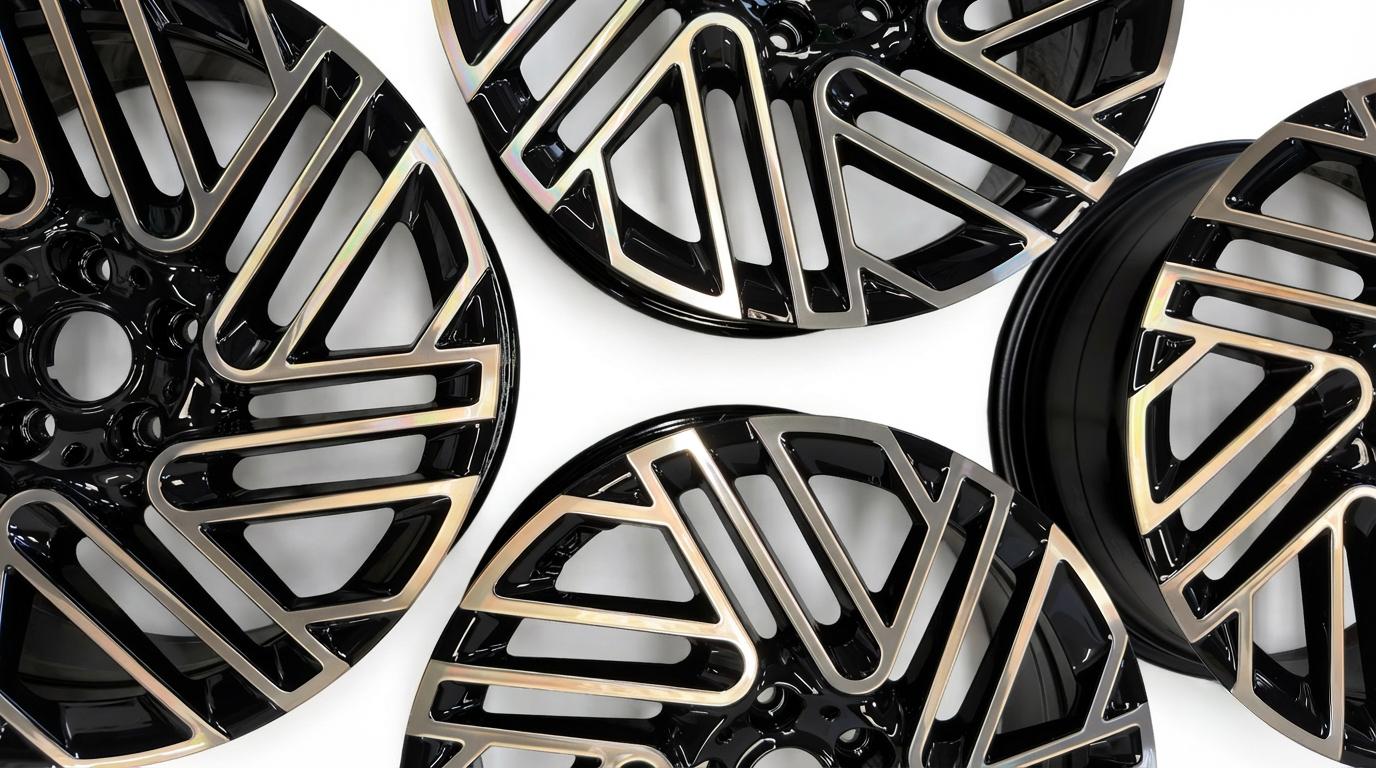
Diamond Cut Alloy
Wheel Repairs
in Exeter
Restore the precise, mirror-bright factory finish on your diamond-cut alloys. Our CNC lathe technology replicates the original manufacturer cut — delivering results indistinguishable from new.
CNC lathe precision. German lacquer systems. Trusted by dealerships and private owners across Devon.
What Are Diamond Cut Alloy Wheels?
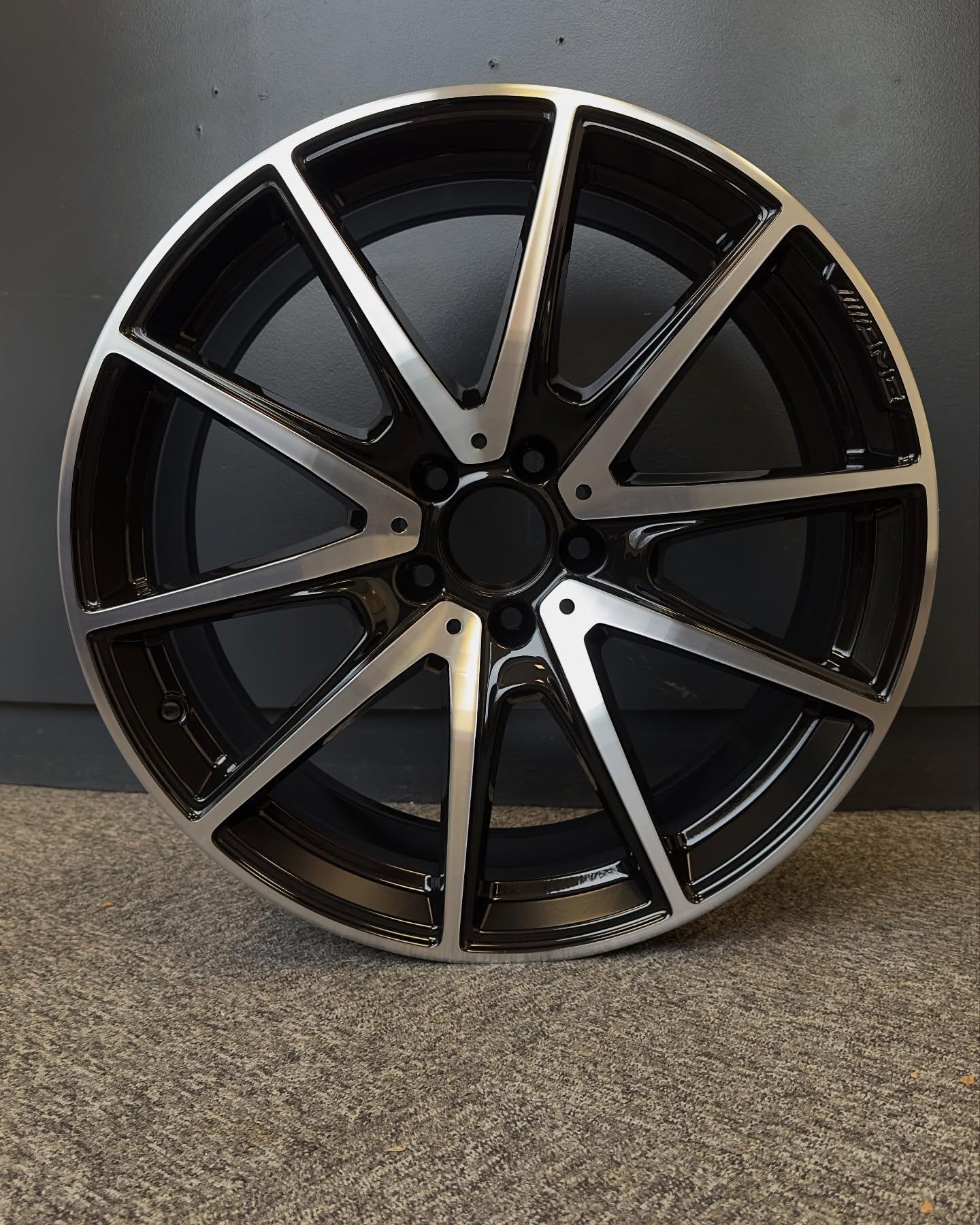
Diamond cutting is a wheel finishing process where the face of the alloy is machined on a CNC lathe using a diamond-tipped cutting tool. This produces the distinctive two-tone effect seen on many modern vehicles — a bright, machined silver face with a contrasting painted inner section or spoke edge.
This finish has become the standard on premium and mid-range vehicles from manufacturers including BMW, Audi, Mercedes, Volkswagen, Ford, and many others. It creates a high-end appearance that painted finishes cannot replicate — the machined surface catches light differently and produces a mirror-like brightness.
Diamond-cut wheels are more susceptible to damage than standard painted alloys because the lacquer protecting the machined surface is thinner. Kerb damage, stone chips, and general wear can breach this lacquer quickly, allowing corrosion to develop on the exposed bare aluminium. Once corrosion starts, it lifts the lacquer further and the damage spreads rapidly.
Repairing diamond-cut wheels requires specialist CNC lathe equipment. The wheel must be re-machined to remove damaged material and a fresh lacquer coat applied. At South West Alloys, we carry out this process in-house using precision equipment and German lacquer systems designed for diamond-cut applications.
CNC Lathe Diamond Cut Results
Our CNC lathe re-machines the wheel face with diamond-tipped precision, restoring the factory two-tone effect. These Audi and BMW diamond-cut wheels were corroded and lacquer-peeled before our restoration process returned them to showroom condition.
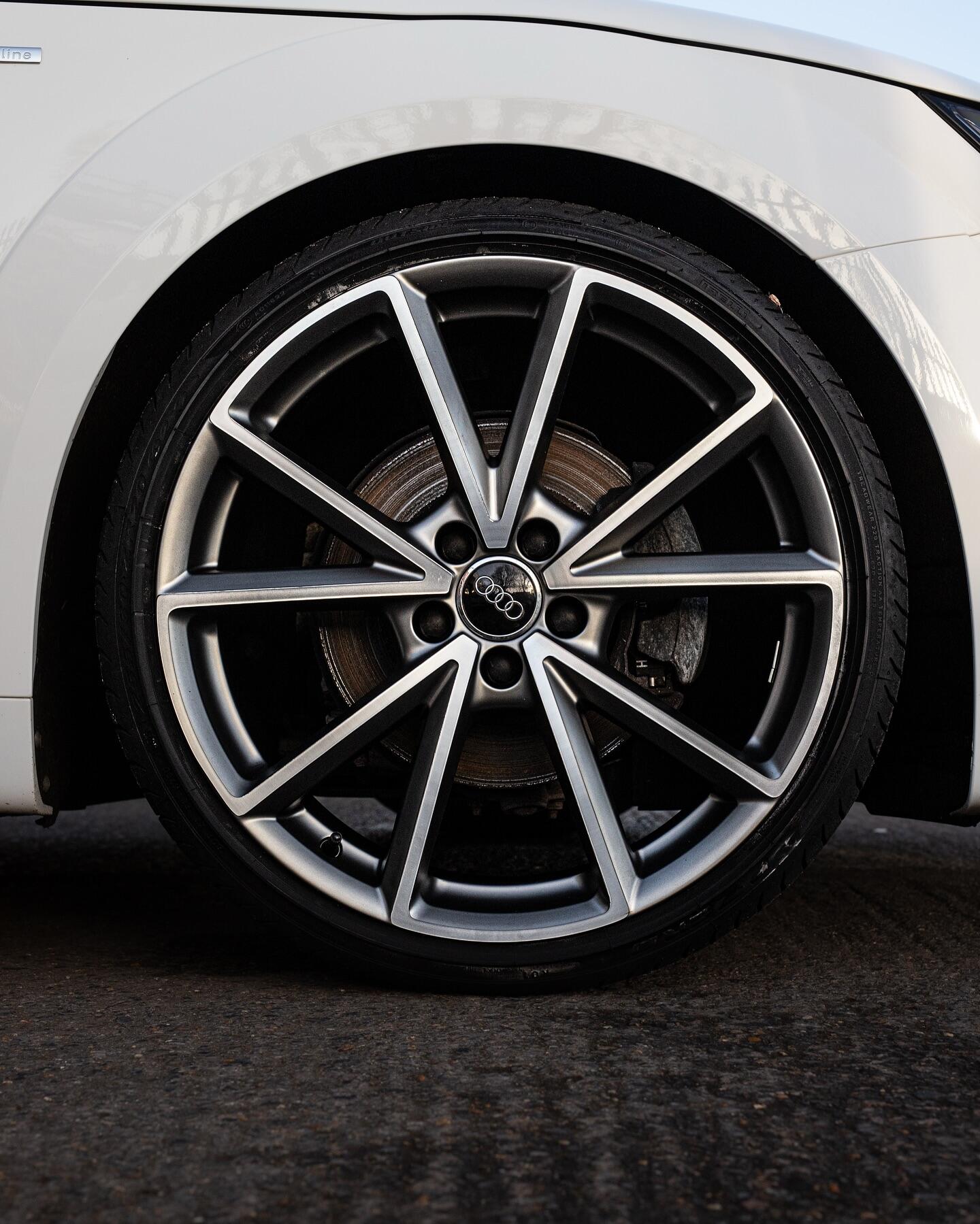
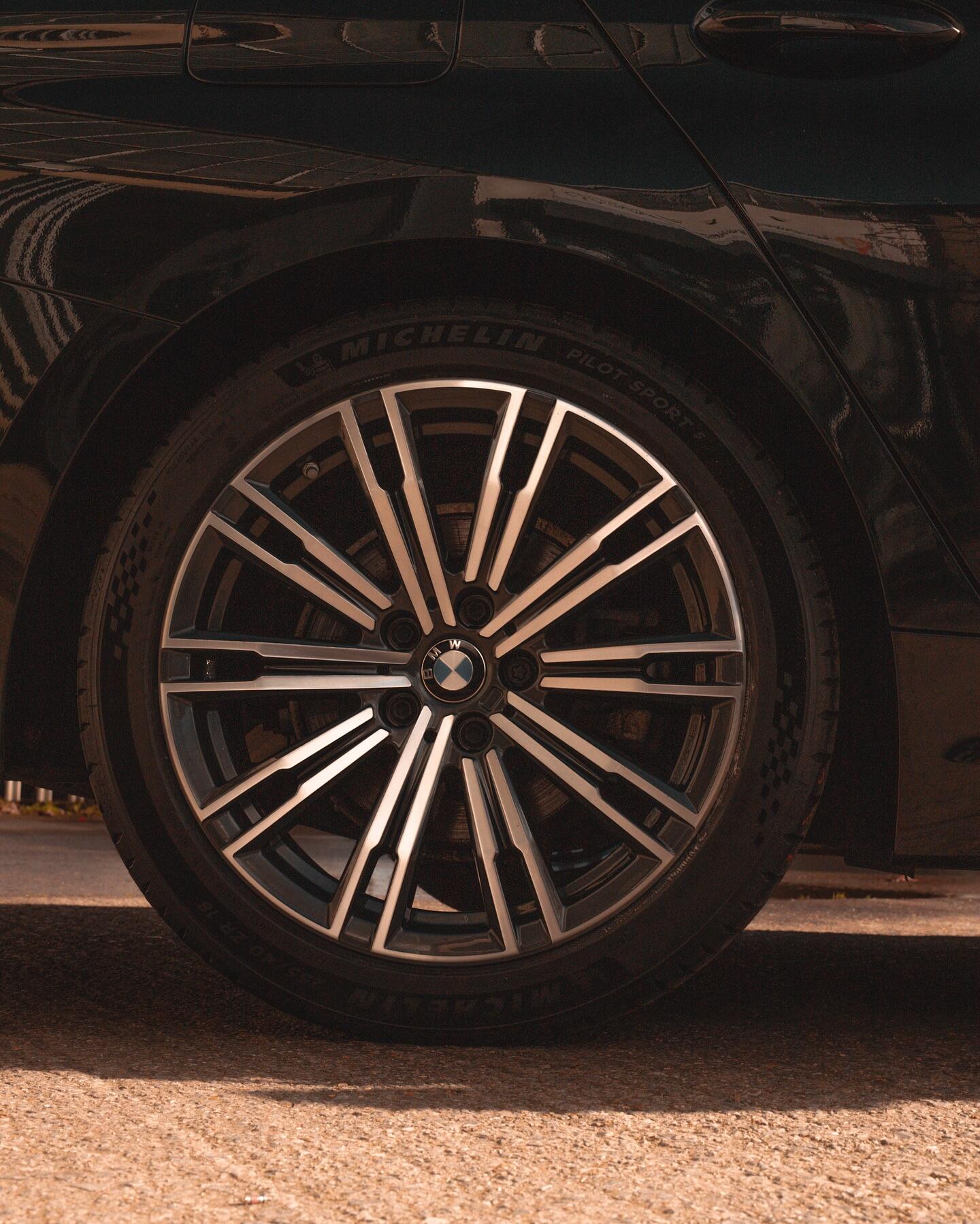
Before & After Diamond Cut Refurbishment
Corrosion and lacquer failure are the most common issues on diamond-cut wheels. Our process strips the wheel, re-machines the entire face, and applies German lacquer for lasting protection. The result is indistinguishable from a brand-new wheel.
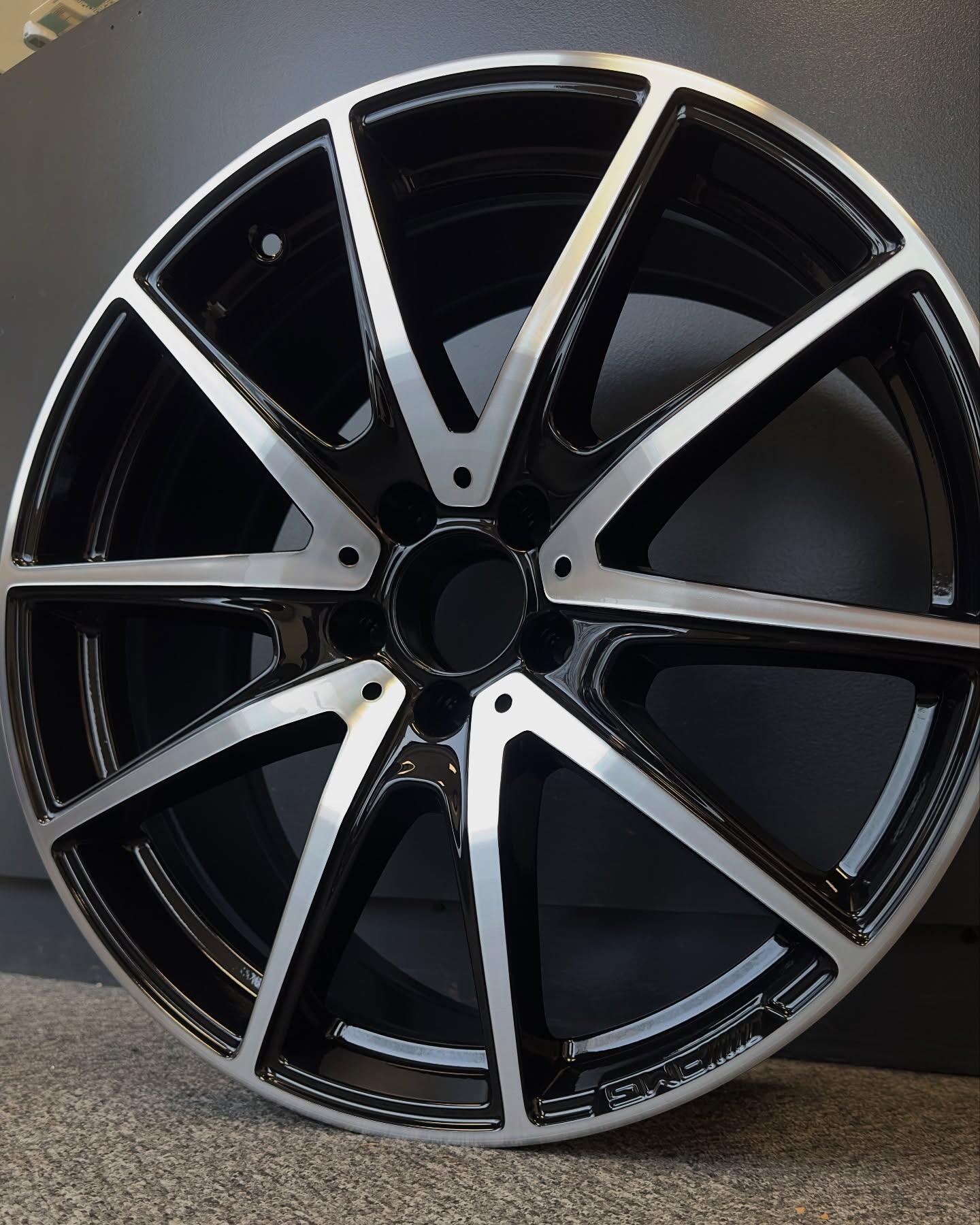
What Happens When Diamond Cut Wheels Are Damaged?
Diamond-cut wheels are beautiful but unforgiving. A single kerb strike can breach the lacquer and chip into the machined surface. Unlike painted wheels where damage can be touched up locally, diamond-cut damage requires the entire face to be re-machined for a consistent finish.
Once the lacquer is breached, moisture and salt attack the bare aluminium. White powdery corrosion appears within weeks — especially during winter months when roads are salted. This corrosion lifts the surrounding lacquer, causing bubbling and peeling that spreads outward from the original damage point.
Many car owners attempt to fix diamond-cut damage with touch-up paint or localised repair. This never matches. The machined finish has a directional grain that paint cannot replicate. Any localised repair is immediately visible and often looks worse than the original damage.
For leased vehicles, diamond-cut wheel damage at return triggers excess charges — typically £100–300 per wheel. Having wheels properly re-machined before return eliminates these charges and is significantly cheaper than the penalties. For vehicle sellers, corroded or damaged diamond-cut alloys signal neglect and reduce buyer confidence immediately.
Our Diamond Cut Repair Process
Tyre Removal & Inspection
The tyre is removed and the wheel inspected for cracks, buckles, and corrosion depth. We assess whether the wheel has sufficient material remaining for a safe re-cut.
Chemical Stripping
Existing lacquer and corrosion are stripped from the wheel face to expose the base alloy. This ensures the lathe cuts into clean, solid material.
CNC Lathe Machining
The wheel is mounted on our CNC lathe and the face is re-machined using a diamond-tipped tool. This removes a thin layer of material — typically 0.1–0.3mm — to produce a fresh, bright surface.
Lacquer Application
A specialist clear lacquer designed for diamond-cut surfaces is applied immediately after machining. This lacquer provides UV protection and prevents oxidation of the freshly cut surface.
Oven Curing
The lacquer is oven-cured at controlled temperature to achieve maximum hardness and adhesion. This step is critical for long-term durability.
Quality Inspection
Each wheel is inspected under controlled lighting for finish consistency, lacquer coverage, and defect-free surfaces before release.
Benefits of Professional Diamond Cut Repair
Identical to Factory Finish
CNC lathe machining replicates the original manufacturer process. The result is indistinguishable from a new wheel.
Removes All Corrosion
Re-machining cuts below the corrosion layer, removing all damage and producing a fresh, clean surface.
Prevents Further Deterioration
New lacquer seals the machined surface against moisture, salt, and brake dust — stopping the corrosion cycle.
Avoids Lease Return Charges
Proper diamond-cut restoration eliminates excess wear charges that can cost £100–300 per wheel on lease returns.
Increases Resale Value
Bright, corrosion-free diamond-cut wheels signal a well-maintained vehicle and increase buyer confidence.
Cost-Effective vs Replacement
Re-machining costs a fraction of buying a new OEM diamond-cut wheel — typically saving £150–450 per wheel.
Diamond Cut Technology & Limitations
CNC (Computer Numerical Control) lathes use a diamond-tipped or carbide-tipped tool to machine the face of an alloy wheel. The wheel is mounted on the lathe's chuck and rotated at controlled speed while the cutting tool moves across the face in a programmed path. This produces the characteristic concentric machining marks that define the diamond-cut look.
Each time a wheel is diamond-cut, a thin layer of aluminium is removed — typically 0.1–0.3mm per cut. Most wheels can be re-cut 2–3 times before the material becomes too thin. We measure wall thickness before machining and advise if a wheel is approaching its limit.
The lacquer used on diamond-cut wheels is different from standard wheel lacquer. It must be applied quickly after machining — bare aluminium begins oxidising within minutes of cutting. We use a specialist German lacquer system formulated for diamond-cut applications that provides superior adhesion and UV protection.
Not all wheel damage is suitable for diamond cutting. If a wheel has deep kerb gouges that extend beyond the machinable depth, filler may be required before cutting. If the wheel has been previously repaired with body filler on the machined face, this filler will be exposed during cutting and the repair may not produce a clean result.
Split-face designs — where part of the spoke is machined and part is painted — require careful masking during the paint stage and precise lathe programming. We handle these designs routinely and can match both the machined and painted sections to factory specification.
After diamond-cut repair, we recommend avoiding automatic car washes with abrasive brushes, acidic wheel cleaners, and pressure washers aimed directly at the wheel face. These can damage the lacquer and reduce the lifespan of the finish. We provide aftercare guidance with every repair.
Frequently Asked Questions
Related Services
Areas We Serve

Ready to Get Started?
Contact us today for a free, no-obligation estimate. Most jobs completed within 24–48 hours.
12+ years experience · Trade & public welcome · German products
We use essential cookies to run this site, and optional cookies for chat and analytics. Cookie policy